Working conditions
Identify temperature, contact fluids and repeated movement.

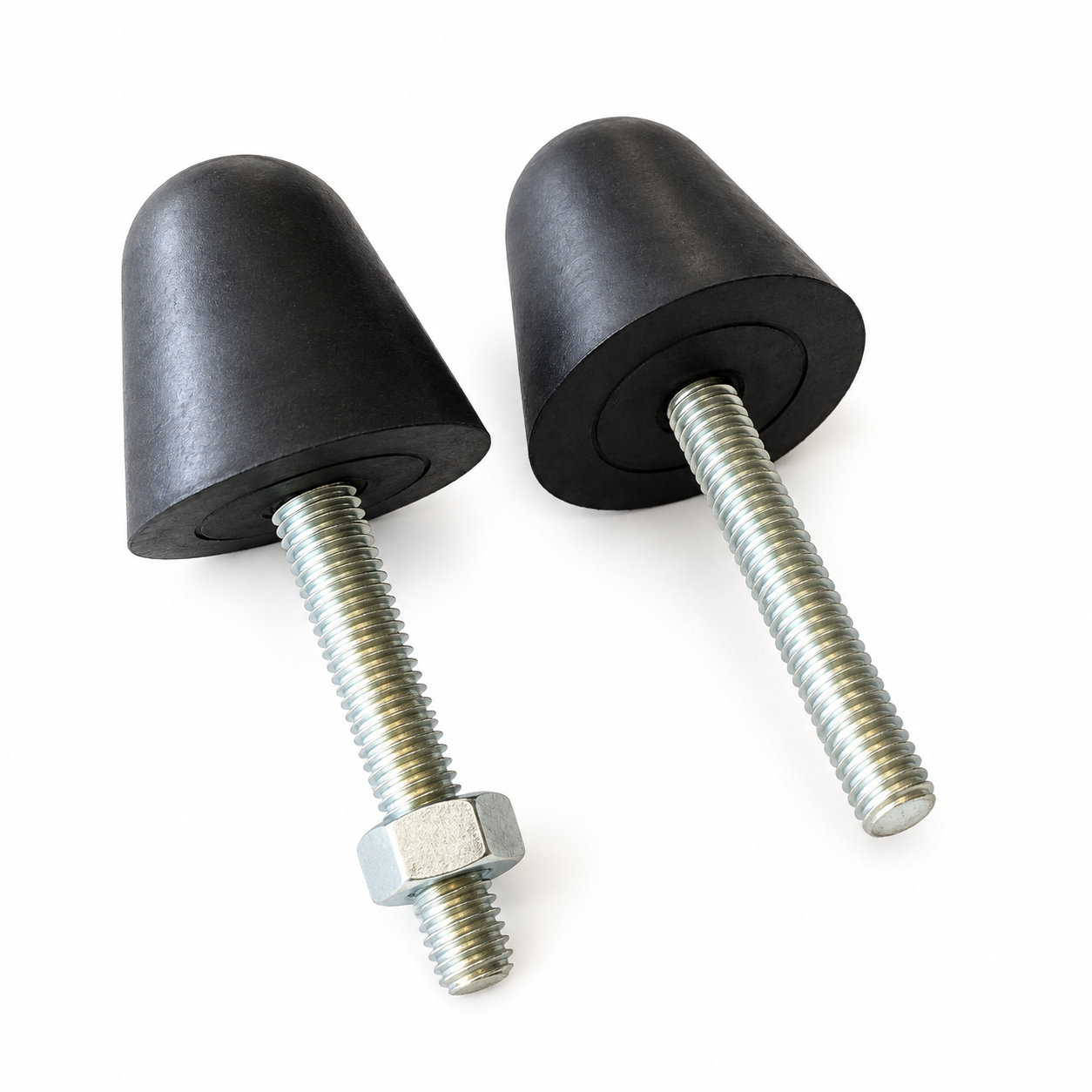
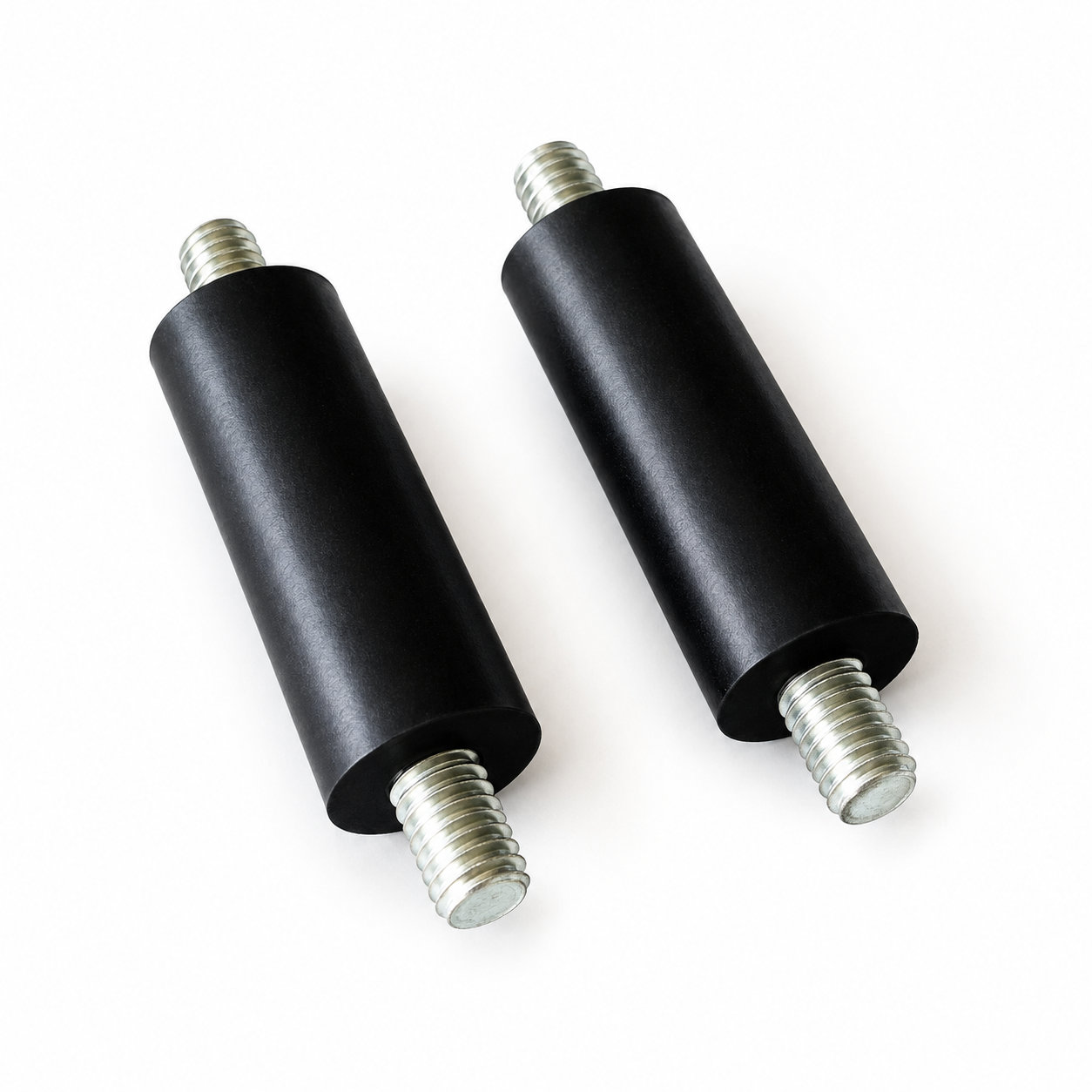
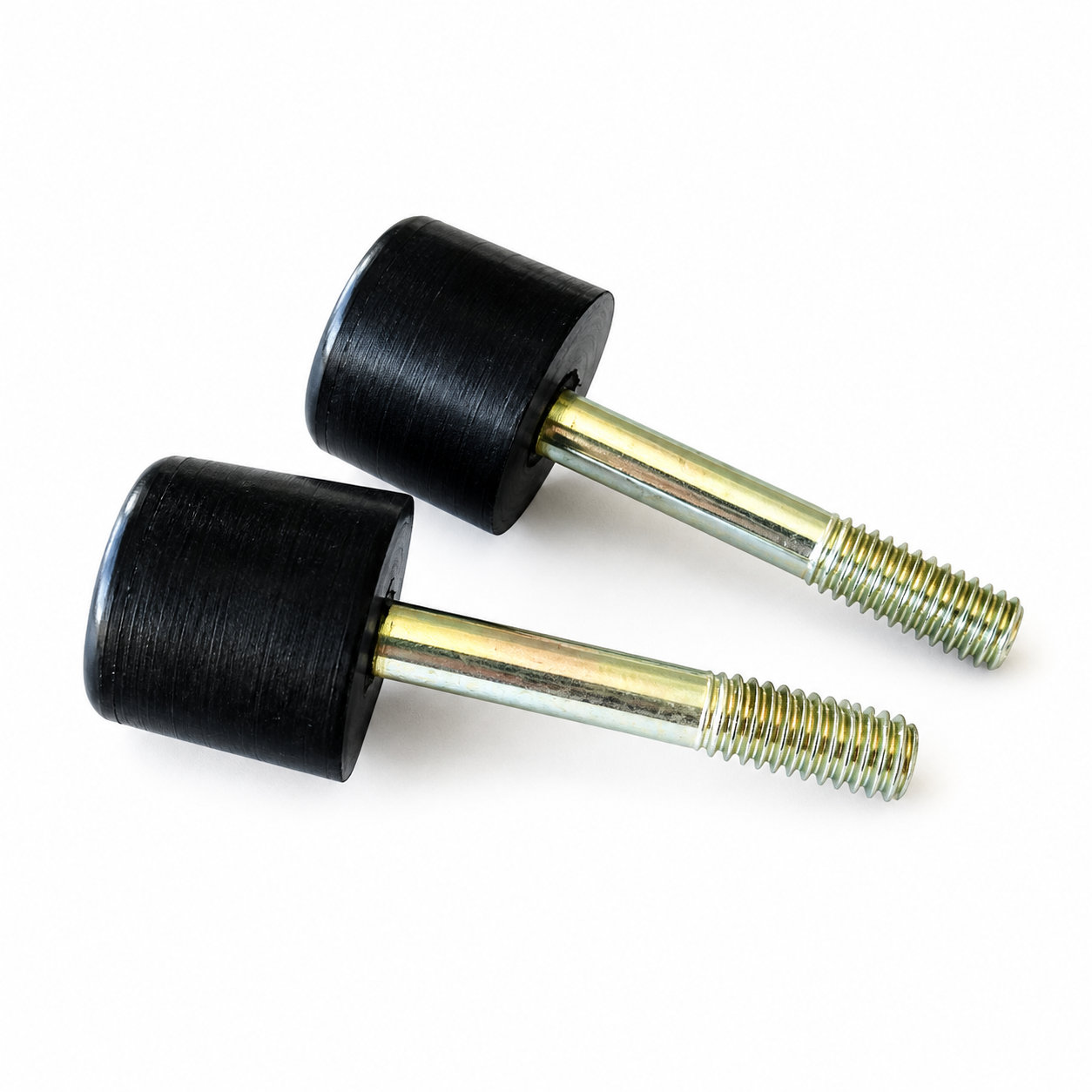
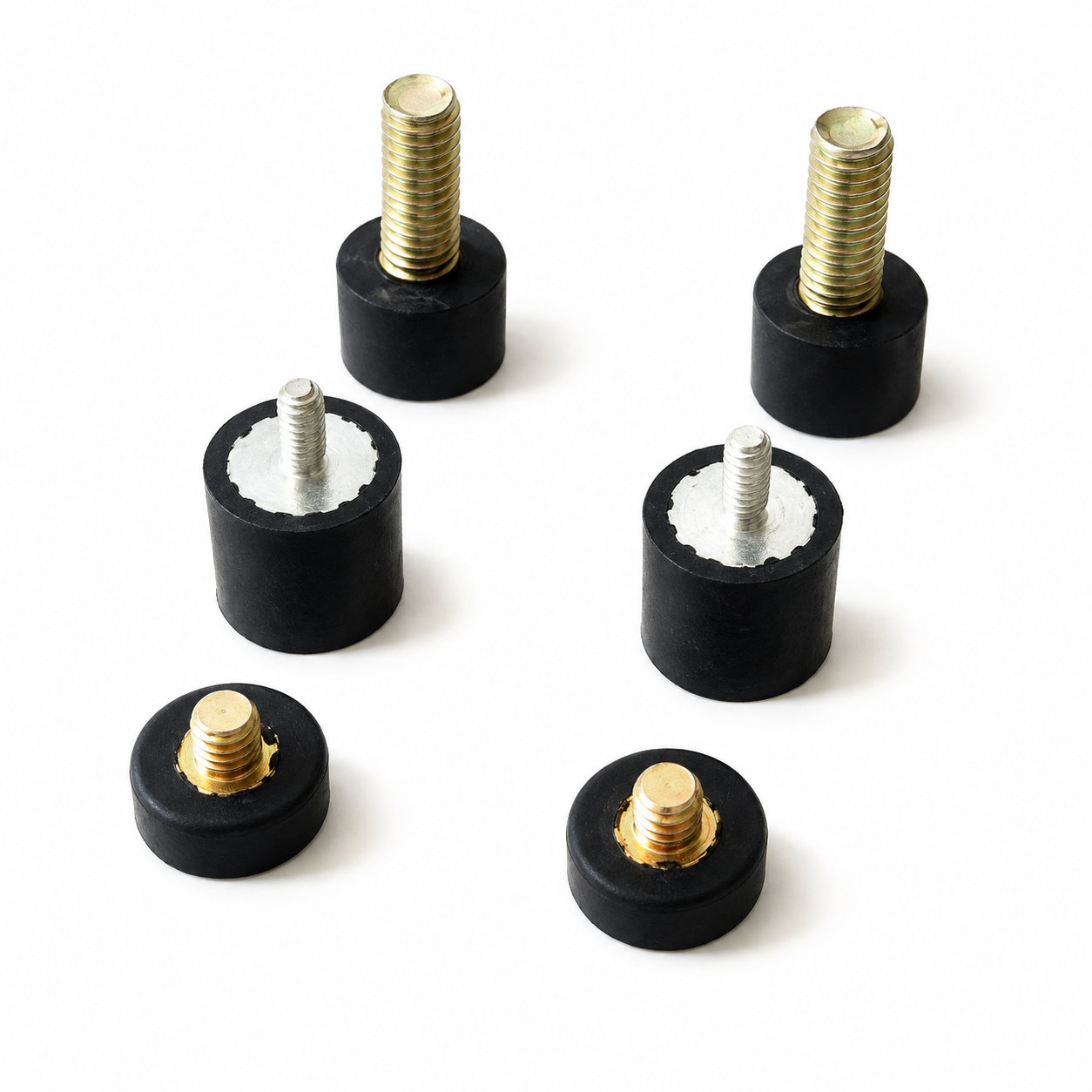
Custom manufacturing example · High quality machine rubber silicone bumper/damper with metal screw
CUSTOM RUBBER & SILICONE MANUFACTURING
A custom component for your assembly.
Define the mating surfaces, dimensions and working conditions. ETOL manufactures the part to the agreed design and material.
Share the part, its application and your estimated quantity.
Selected for the contact, temperature and movement
Define the visible surfaces and intended color
Develop holes, lips and walls around the mating parts
Match the attachment and installation method
A machine bumper/damper with metal screw should place its rubber working face at the height and orientation required by the mechanism. The screw connection and molded body need to be selected together. Custom dimensions can follow the mounting surface and available operating space.
Check thread engagement and the component that receives the fastener. The screw should secure the bumper without reaching an unintended obstruction behind the seat. The body should remain supported where force enters it and clear of nearby hard features during movement.
Install through the specified hardware method without twisting the rubber to force the thread. Assess the completed machine through normal operation and inspect the contact position. During care, check for loosening and wear concentrated at one edge. Replace with the matching screw and body profile so that the original working face returns to its intended location rather than being shifted by a different-height substitute. Inspect the receiving thread too.
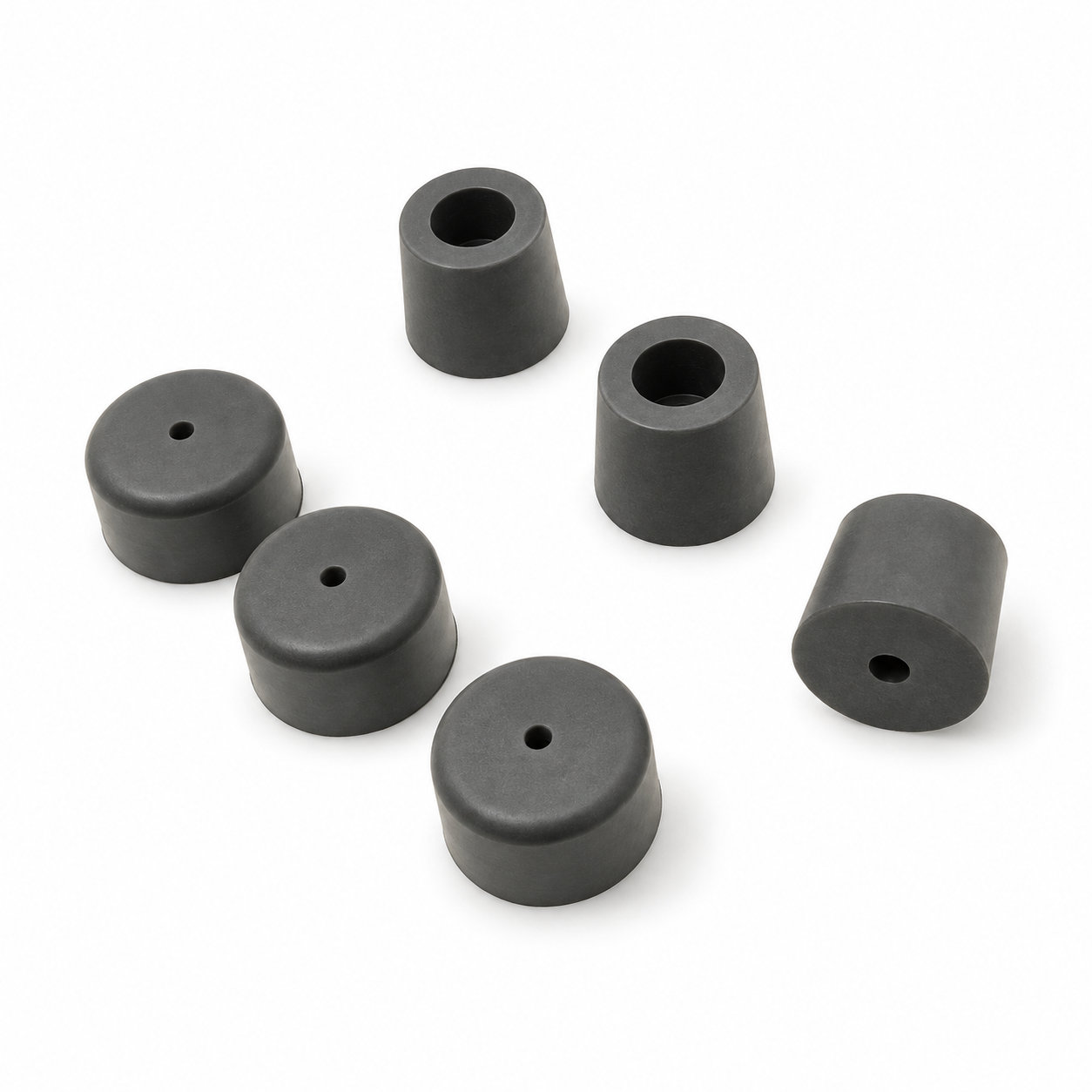
Photos illustrate structure or material appearance only. The body should remain supported where force enters it and clear of nearby hard features during movement. ETOL directly manufactures custom-shaped silicone and rubber parts to your requirements.
Identify key dimensions, mating surfaces and quantity
Agree the compound and manufacturing approach
Review the fit and agreed requirements in the assembly
Manufacture and check against the approved requirements
Identify temperature, contact fluids and repeated movement.
Consider hardness together with wall thickness and support.
Check access, mating dimensions and the fitting sequence.
Yes. Show the receiving opening, contact surfaces and clearance limits. We can review the dimensions and retaining features around the intended fit.
Agree the critical dimensions, material, hardness, visible surfaces and sample requirements. Explain how the part is installed and which interfaces control its function.
A sample can help explain the structure. Compare it with the assembly because wear, swelling or compression may have changed its original dimensions.
The material, part geometry, tooling, quantity and finishing affect the quotation. Include the intended batch size and delivery destination when describing your requirements.
DISCUSS THIS COMPONENT
Share the fit, operating conditions and quantity with our manufacturing team.
EXPLORE RELATED DESIGNS
Explore similar part structures and applications for your next project.