Working conditions
Identify temperature, contact fluids and repeated movement.

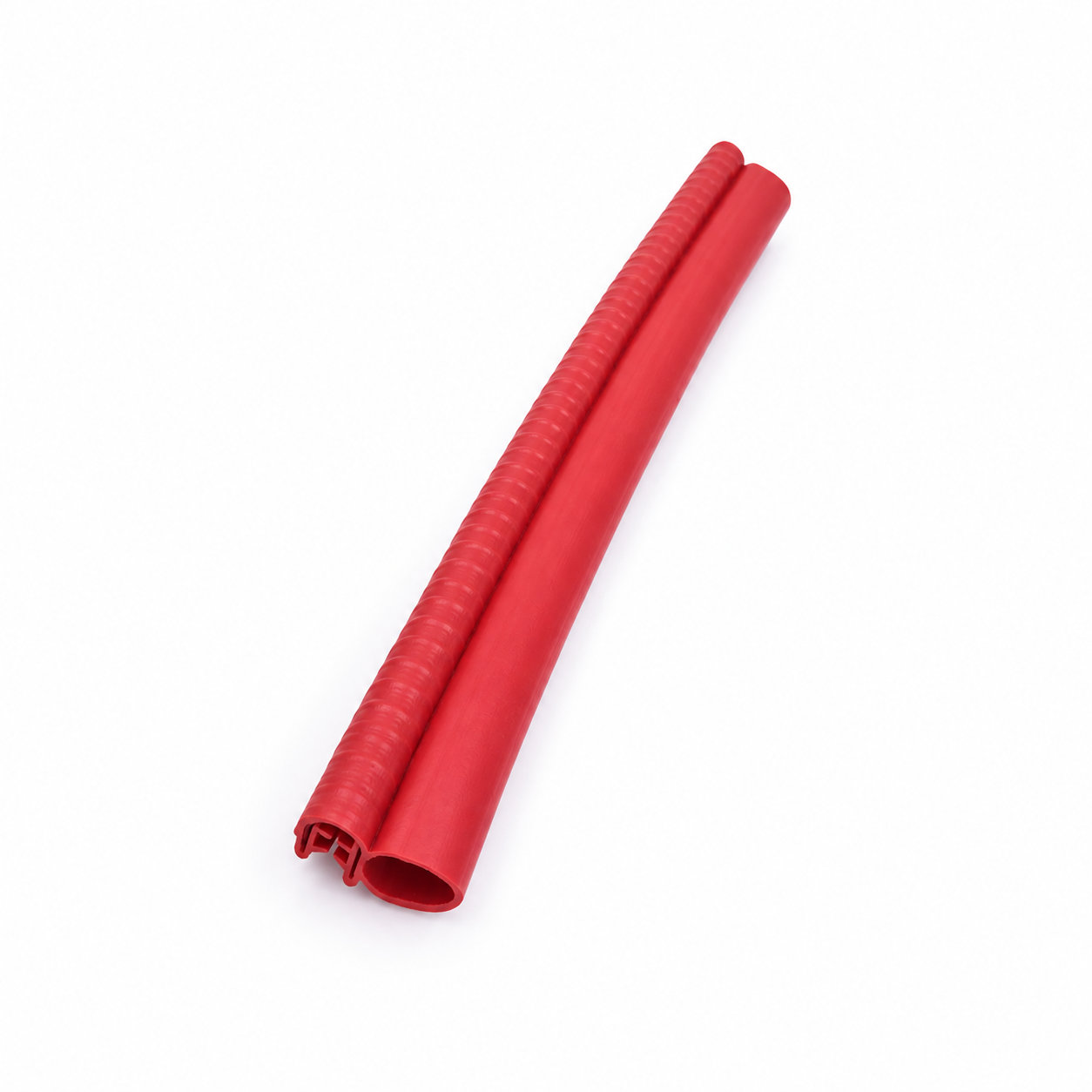
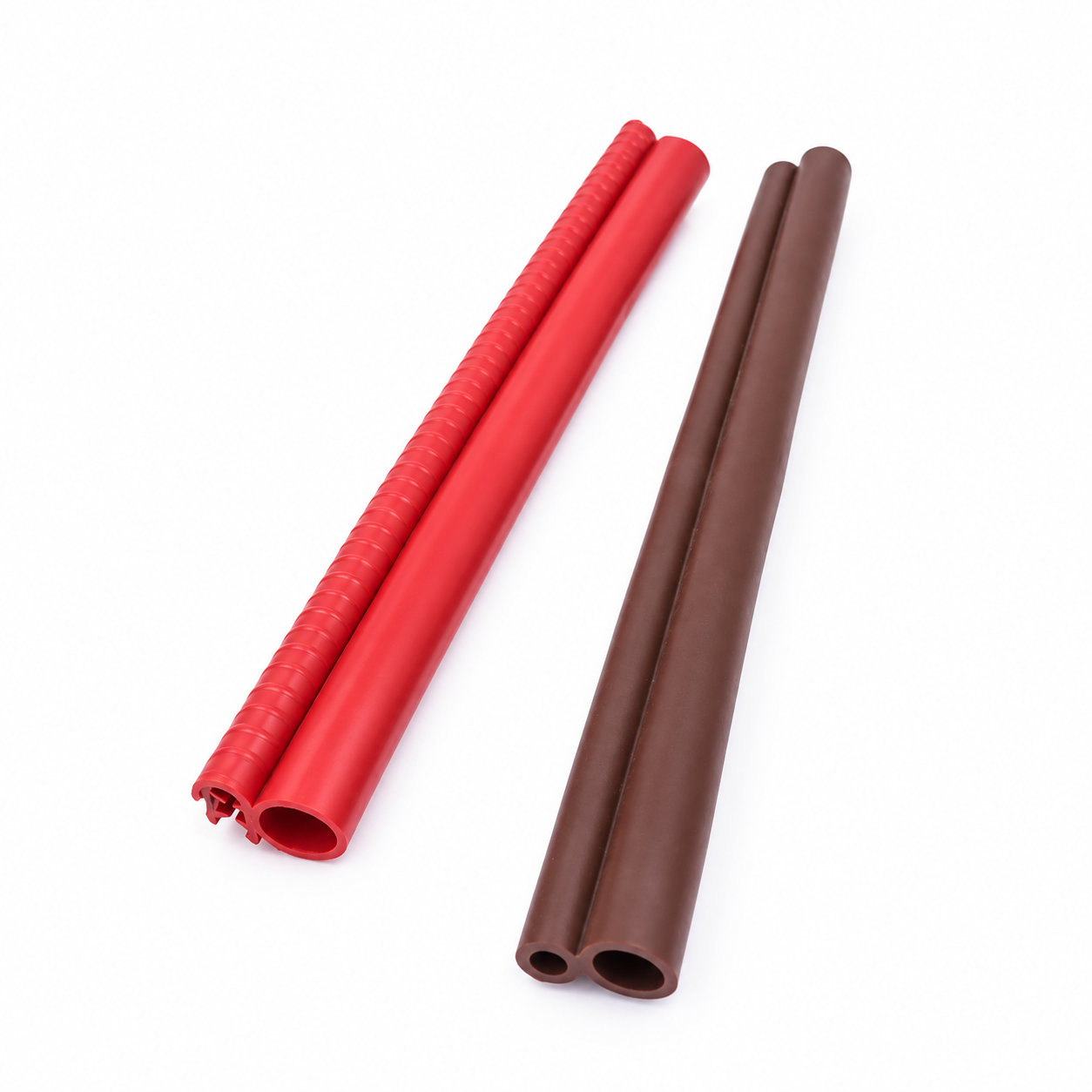
Custom manufacturing example · Rubber door seal strip waterproof rubber sealing
CUSTOM RUBBER & SILICONE MANUFACTURING
A custom component for your assembly.
Define the mating surfaces, dimensions and working conditions. ETOL manufactures the part to the agreed design and material.
Share the part, its application and your estimated quantity.

Selected for the contact, temperature and movement
Define the visible surfaces and intended color
Develop holes, lips and walls around the mating parts
Match the attachment and installation method
A rubber door seal strip provides a flexible interface between a door and its surrounding frame. The custom profile is selected around the closing gap, the retention method, and the environment. Its purpose is to establish the intended contact when the door closes without making normal operation unnecessarily difficult.
Check the door in its fully latched position. The seal should contact the mating surface along the required path, while the latch and hinges continue to operate as intended. If the door must be forced shut after a seal change, review the profile and alignment rather than assuming more compression always improves the result. Local high spots can carry excessive pressure while another area remains open.
The strip needs to follow corners and end joints without twisting its working face. Fit the retaining section carefully and avoid using lengthwise stretch to take up missing material. Any join should preserve the planned continuity of the sealing path. The selected compound should suit the substances and conditions encountered on both sides of the door.
For ongoing care, clean residue from the contact face and inspect sections that are rubbed during opening. A displaced strip can be damaged by the next closing cycle. Water exclusion depends on the complete door construction, including corners and hardware, so the finished assembly needs assessment for its intended use.
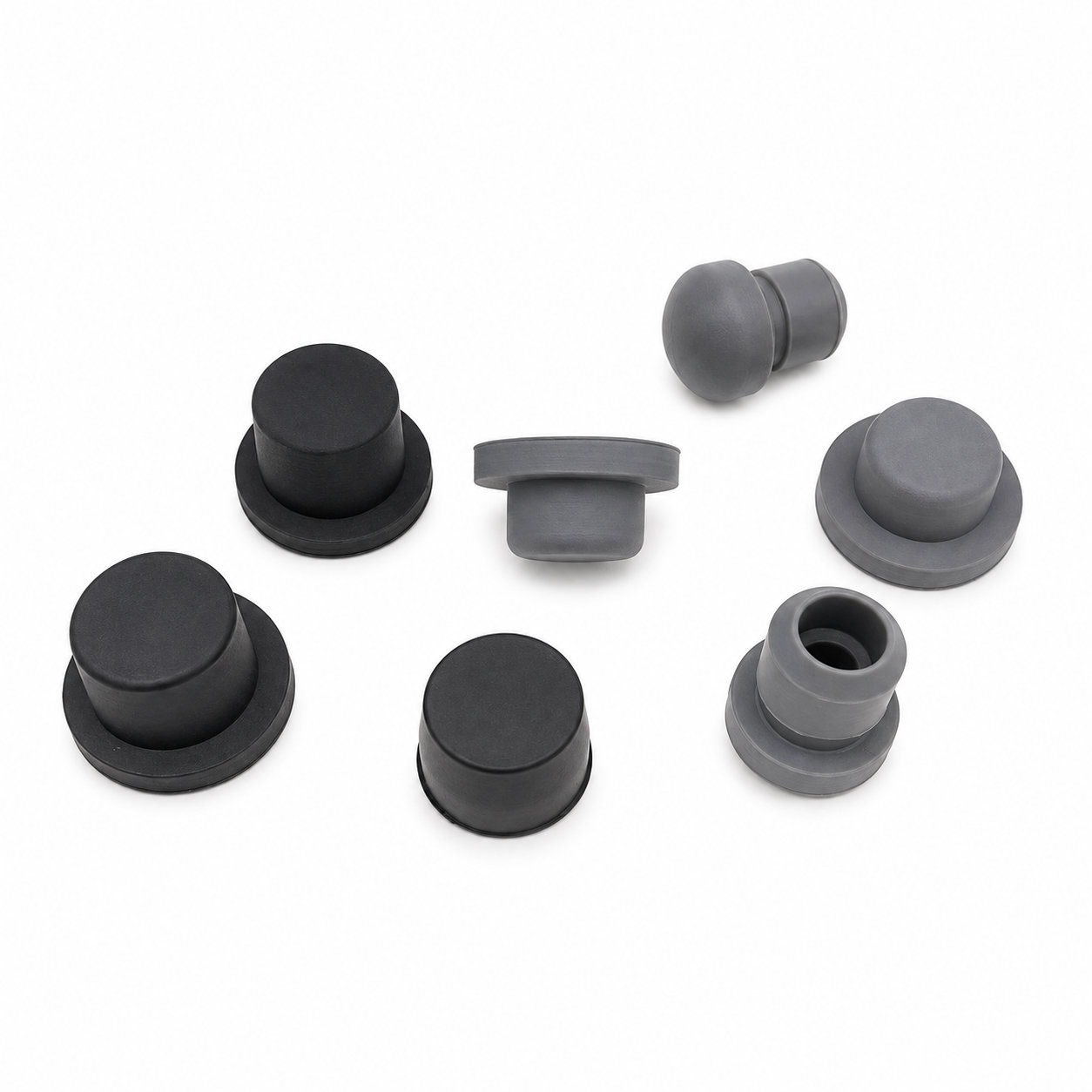
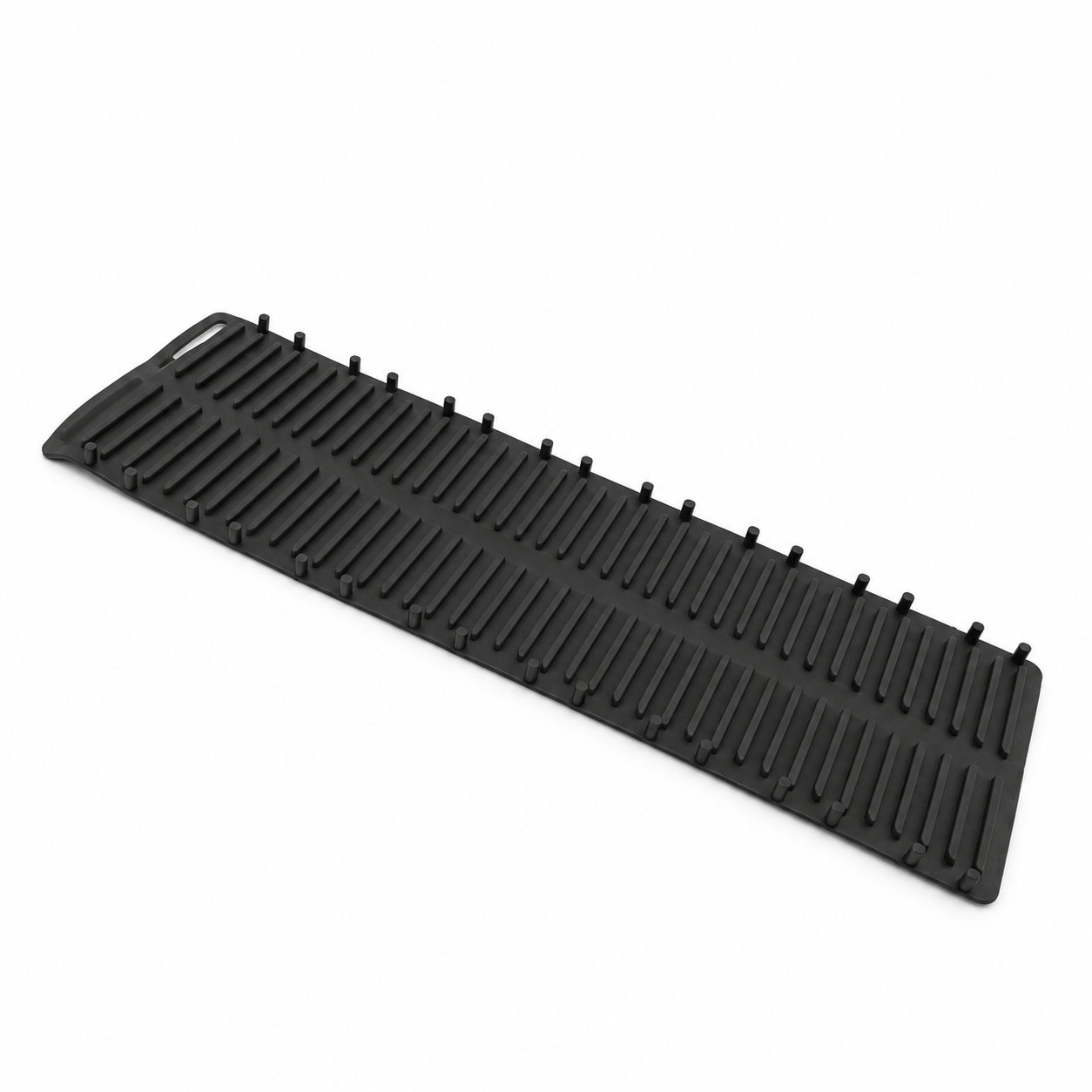
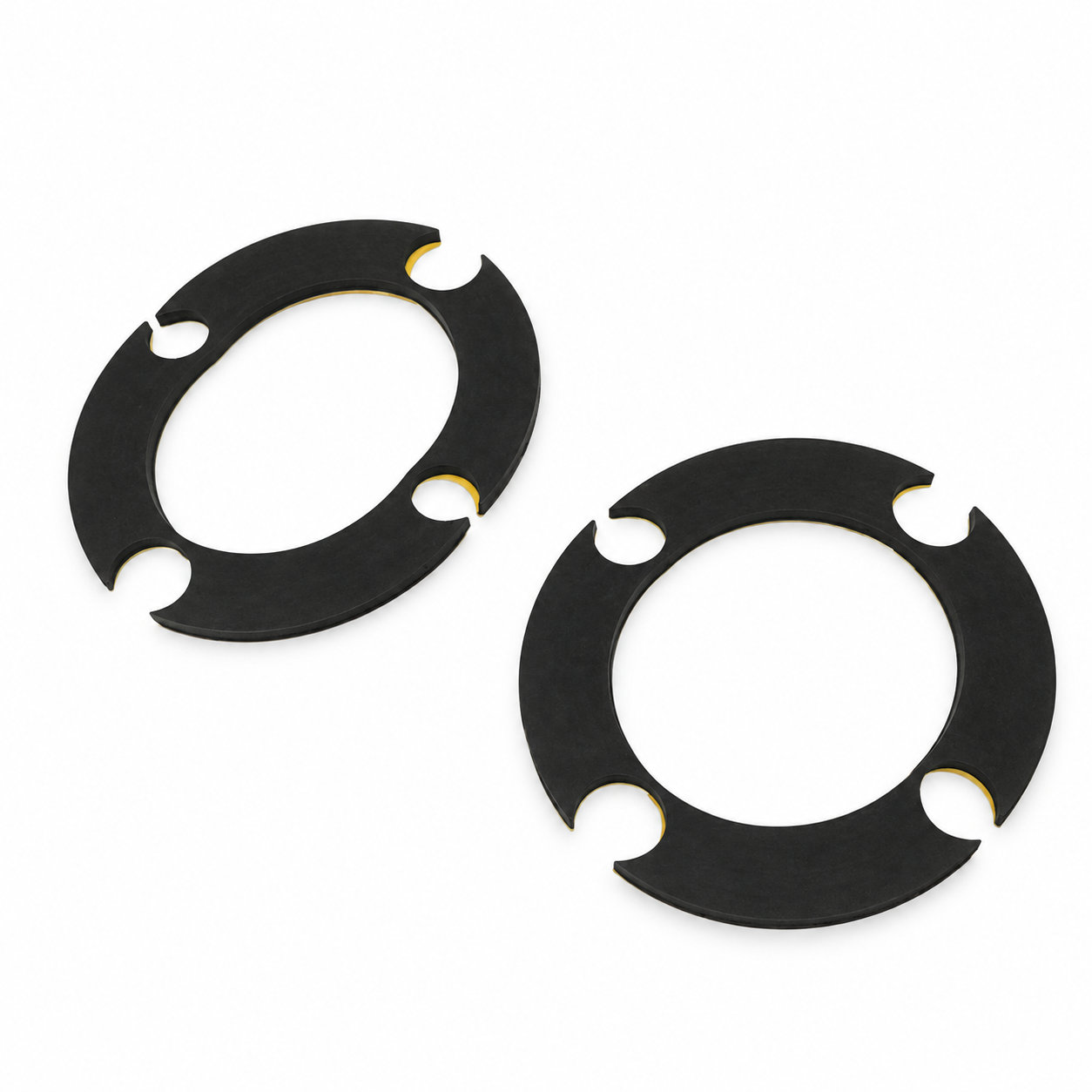
Photos illustrate structure or material only. The seal should contact the mating surface along the required path, while the latch and hinges continue to operate as intended. ETOL directly manufactures custom-shaped silicone and rubber parts to your requirements.
Identify key dimensions, mating surfaces and quantity
Agree the compound and manufacturing approach
Review the fit and agreed requirements in the assembly
Manufacture and check against the approved requirements
Identify temperature, contact fluids and repeated movement.
Consider hardness together with wall thickness and support.
Check access, mating dimensions and the fitting sequence.
Yes. Show the receiving opening, contact surfaces and clearance limits. We can review the dimensions and retaining features around the intended fit.
Agree the critical dimensions, material, hardness, visible surfaces and sample requirements. Explain how the part is installed and which interfaces control its function.
A sample can help explain the structure. Compare it with the assembly because wear, swelling or compression may have changed its original dimensions.
The material, part geometry, tooling, quantity and finishing affect the quotation. Include the intended batch size and delivery destination when describing your requirements.
DISCUSS THIS COMPONENT
Share the fit, operating conditions and quantity with our manufacturing team.
EXPLORE RELATED DESIGNS
Explore similar part structures and applications for your next project.