Working conditions
Identify temperature, contact fluids and repeated movement.

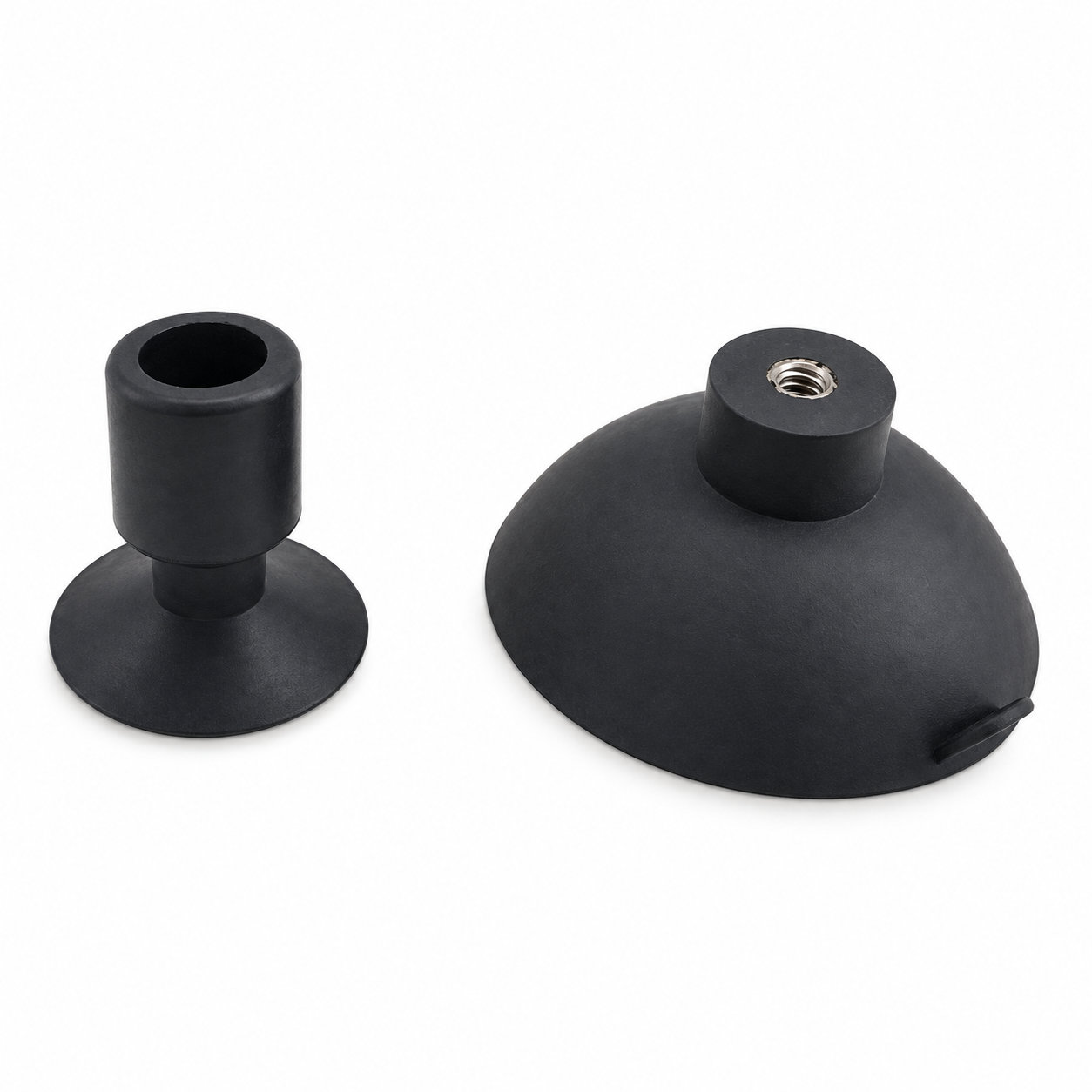
Custom manufacturing example · Vibrator suction cup M6 vacuum suction cups
CUSTOM RUBBER & SILICONE MANUFACTURING
A custom component for your assembly.
Define the mating surfaces, dimensions and working conditions. ETOL manufactures the part to the agreed design and material.
Share the part, its application and your estimated quantity.

Selected for the contact, temperature and movement
Define the visible surfaces and intended color
Develop holes, lips and walls around the mating parts
Match the attachment and installation method
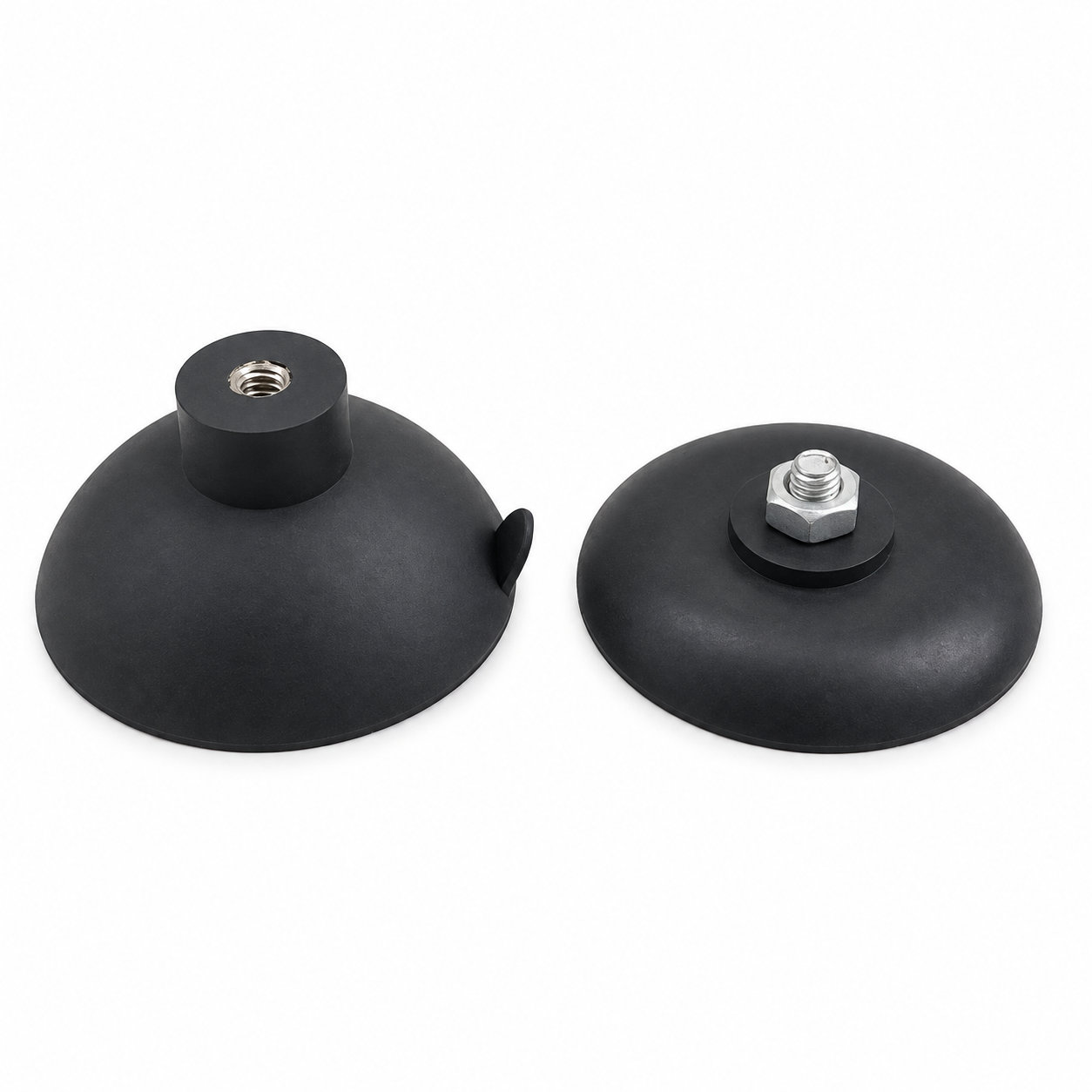
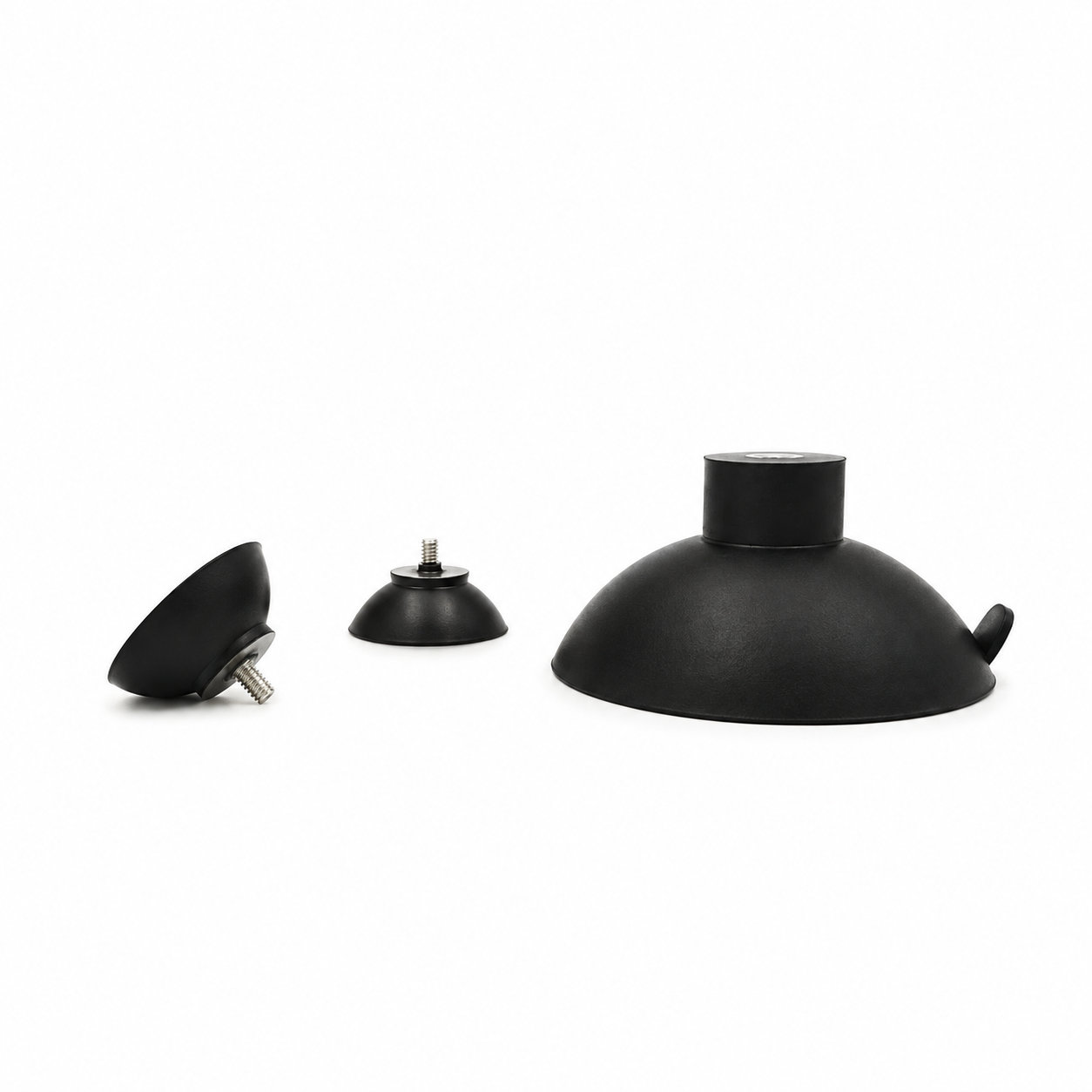
M6 vacuum suction cups provide a threaded connection between a compatible accessory and a smooth mounting surface. This listing is intended for a suction-mounted vibrator attachment, where movement at the connected device makes the complete mounting arrangement especially relevant. The elastomer contact face, threaded interface and mating surface need to be assessed together before the part is approved for a specific product.
Check the accessory connection first. Confirm the M6 thread details, available engagement and space around the attachment point. The connected body should not interfere with the cup lip or prevent it from lying evenly against the surface. Also consider the distance between the contact plane and the device: a projecting attachment can place changing leverage on the cup as the device moves.
A useful sample trial includes the intended operating movement rather than only a stationary attachment check. Observe whether vibration causes the fastener to loosen, the body to rotate or an edge to lift. Use the actual smooth, nonporous surface specified for the finished product, and repeat the trial after the normal cleaning procedure. A successful initial attachment does not establish how long the seal will remain in place during movement.
For custom M6 vacuum suction cups, ETOL can review the size, rubber formulation, color and connection geometry from an assembly drawing. Identify which surfaces may contact cleaning products and provide any specific material requirements for the finished accessory. Clean and inspect the contact rim before use, and release suction at the edge instead of wrenching the device away from the mounting surface. If the rim becomes damaged or the connection no longer remains secure, remove the part from service. Keep the agreed assembly test and approved sample with the purchasing specification so that future orders are assessed against the same requirements.
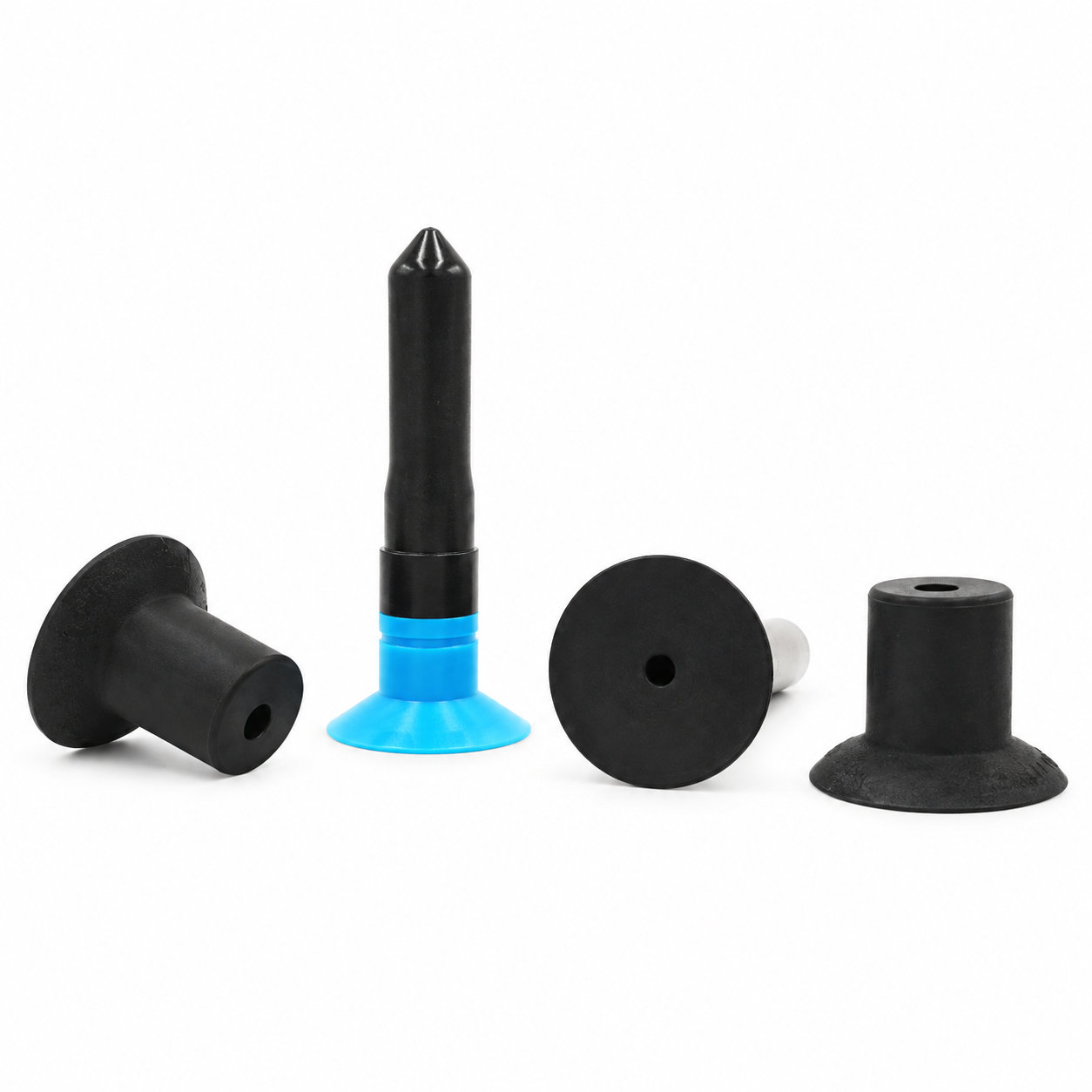
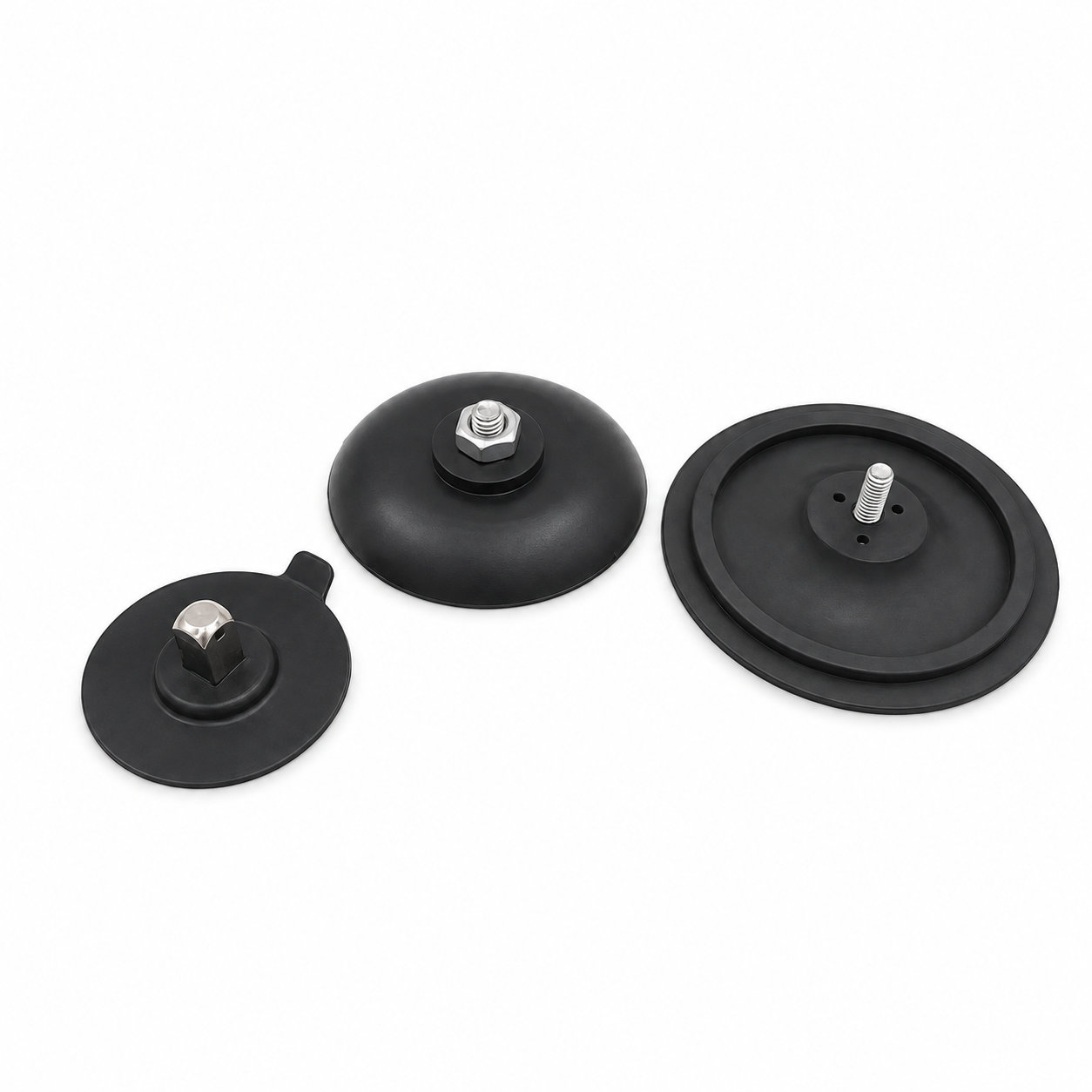
Photos illustrate structure or material appearance only. The elastomer contact face, threaded interface and mating surface need to be assessed together before the part is approved for a specific product. ETOL directly manufactures custom-shaped silicone and rubber parts to your requirements.
Identify key dimensions, mating surfaces and quantity
Agree the compound and manufacturing approach
Review the fit and agreed requirements in the assembly
Manufacture and check against the approved requirements
Identify temperature, contact fluids and repeated movement.
Consider hardness together with wall thickness and support.
Check access, mating dimensions and the fitting sequence.
Yes. Show the receiving opening, contact surfaces and clearance limits. We can review the dimensions and retaining features around the intended fit.
Agree the critical dimensions, material, hardness, visible surfaces and sample requirements. Explain how the part is installed and which interfaces control its function.
A sample can help explain the structure. Compare it with the assembly because wear, swelling or compression may have changed its original dimensions.
The material, part geometry, tooling, quantity and finishing affect the quotation. Include the intended batch size and delivery destination when describing your requirements.
DISCUSS THIS COMPONENT
Share the fit, operating conditions and quantity with our manufacturing team.
EXPLORE RELATED DESIGNS
Explore similar part structures and applications for your next project.